
A layered necklace stack looks effortless — but the best ones are quietly planned. The difference between a stack that tangles and one that sits beautifully usually comes down to three things: length, weight and texture. Here's how to get all three right.
A note from the founder

"As an architectural designer, I have always believed that good design is about finding the right balance between proportion, function and detail. Whether designing a building or developing a space, every element should have a purpose and contribute to the overall harmony. For me, the strongest designs are not necessarily the most complex, but the ones in which every detail feels intentional."
— Driss, founder of Oxfordum
A good necklace stack follows the same principle: proportion, purpose and one clear focal point. Here is how to build one.
1. Start with spacing: the 2-inch rule
Each chain in your stack should sit about 2 inches (5 cm) below the one above it. That gap gives every layer room to be seen and keeps chains from twisting together. A reliable three-layer formula is 16 in + 18 in + 20 in. For a longer, more relaxed look, swap the last layer for 24 in.
- 16 in sits close, around the base of the neck — your anchor.
- 18 in falls at the collarbone — the classic everyday length.
- 20 in drops just below the collarbone — ideal for a pendant.
- 24 in lands mid-chest — a statement finish for open necklines.
2. Go from fine to bold
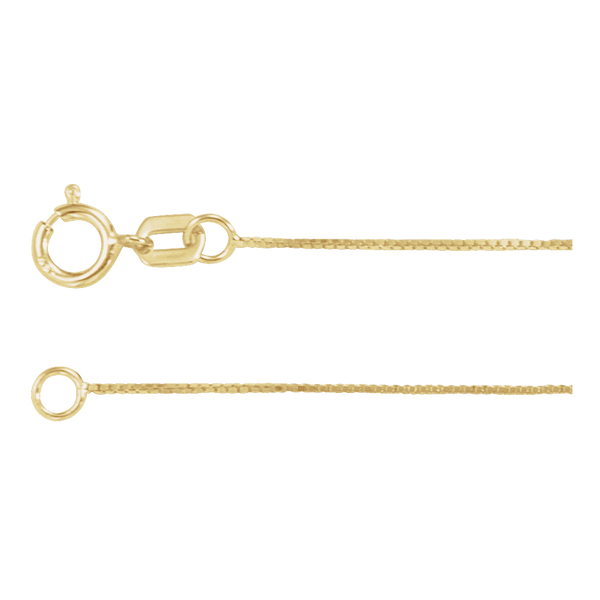
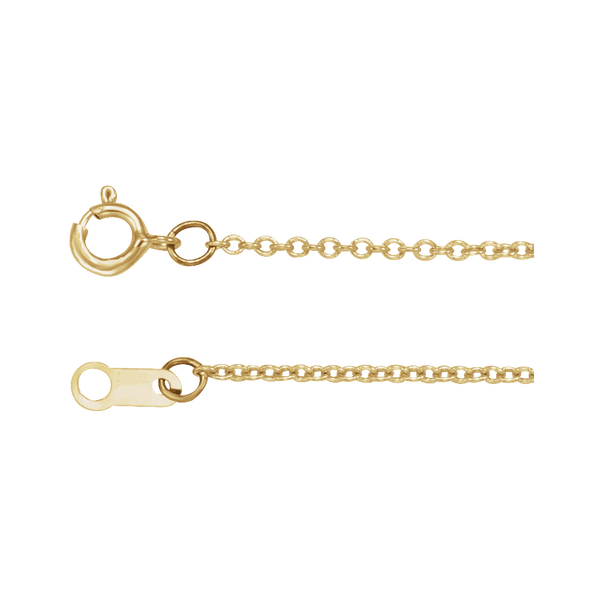
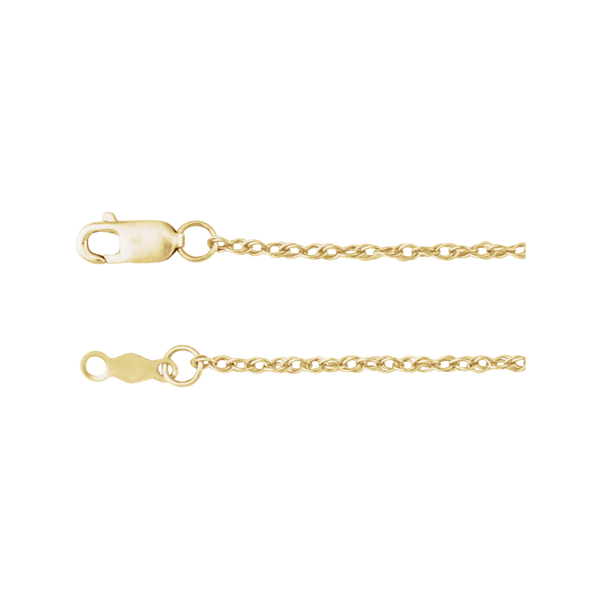
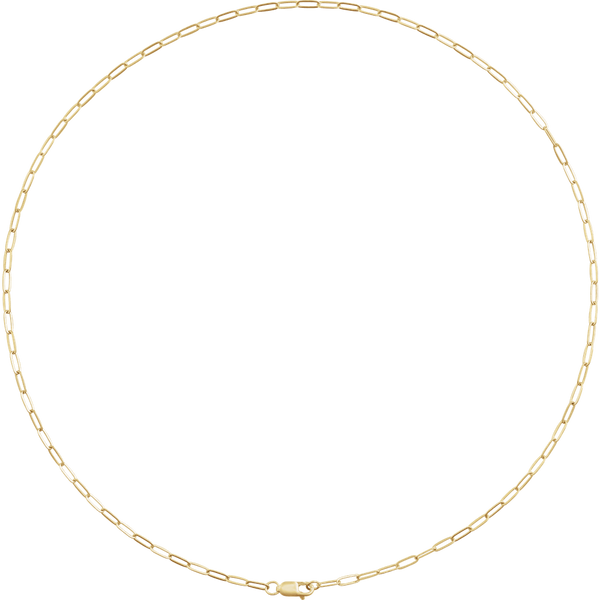
Place your finest chain highest and let width build as you go down. A 0.55 mm box chain or 1 mm cable chain makes a delicate top layer; a 2.1 mm paperclip or rope chain has the presence to anchor the bottom. Reversing the order tends to look top-heavy.
3. Mix textures, keep the metal
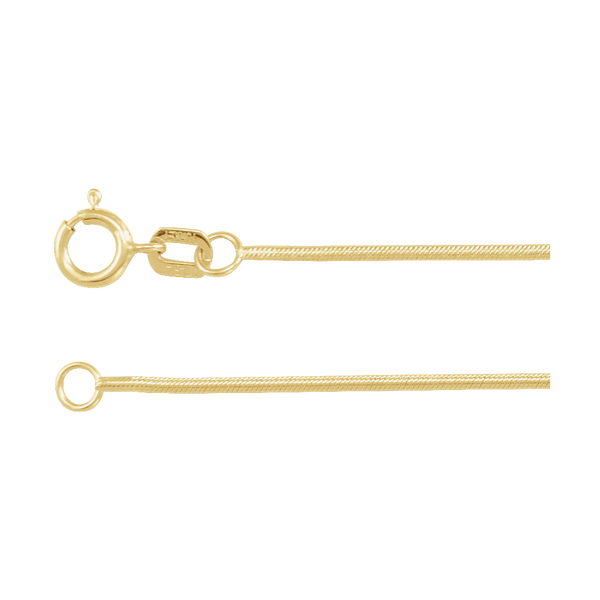
Three identical chains read as one. Contrast is what makes a stack interesting: pair a smooth snake chain with a textured rope, or a classic cable with an open paperclip. Keep the metal tone consistent — all yellow gold, for example — so the stack feels cohesive rather than busy.
4. Let one piece lead
If you're adding a pendant, put it on the middle or lowest chain and keep the chains around it simple. One focal point is plenty; two pendants competing at similar lengths is where stacks start to feel cluttered.
5. Gold-filled or solid gold?
You don't need every layer in the same material. Many people anchor a stack with one solid 14K gold chain they'll wear for years, then build around it with gold-filled pieces. Gold-filled jewelry has a thick layer of real 14K gold bonded to a base metal — far more durable than plating, and well suited to everyday wear. Read more in our guide to gold types.
6. Stop the tangles
- Mix clasp weights: slightly heavier chains settle and stay put.
- Fasten each chain separately and check the spacing in a mirror before you head out.
- Store chains individually, clasped, so they don't knot between wears.
Three stacks to try
The everyday minimalist: a 1 mm cable chain at 16 in and a 1 mm snake chain at 18 in. Quiet, polished, works with everything.
The texture stack: a fine box chain at 16 in, a rope chain at 18 in and a paperclip chain at 20 in. Three finishes, one metal.
The pendant stack: a fine chain at 16 in, your favorite pendant at 18 in and a paperclip chain at 22–24 in to frame it.
Our Layering Edit brings together five chains chosen to work as a set — from a 0.55 mm solid gold box chain to a 2.1 mm paperclip — so you can build a stack that feels entirely your own.